
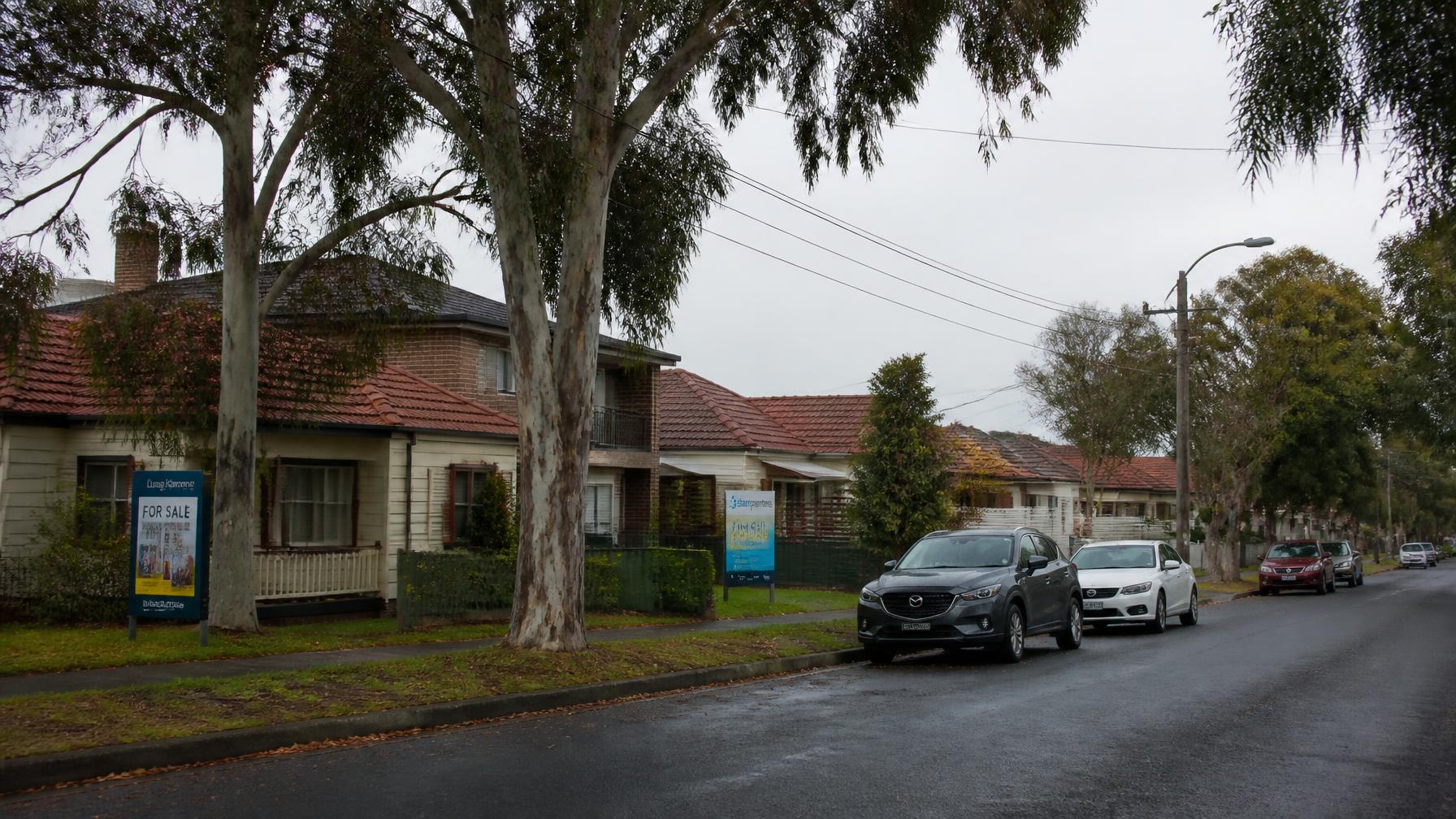
Winter Downturn Hits Liverpool and Fairfield: What Local Residents Need to Know
Analysis of August 2026 Property Market Data
Sydney’s Sharpest Decline Since 2022-23
Australia’s property market has entered a significant downturn through winter 2026, with Sydney leading the decline among capital cities. According to Cotality’s Home Value Index for August 2026, Sydney home values fell 1.4% in the month, bringing the total decline to 7.1% below peak levels recorded in February 2026 — a steeper drop than the 2022-23 correction over the equivalent period.
The national picture shows home values declining across 93% of capital city suburbs, marking what Cotality Research Director Tim Lawless describes as “a much more generalised softening” that has spread beyond the initial concentration in higher-value segments.
Direct Impact on Liverpool and Fairfield Residents
Current Market Conditions
Fairfield has experienced modest growth over the past 12 months, with dwelling values up 1.9% annually according to the Cotality data. However, this represents a significant slowdown from previous years, and the suburb has not been immune to the recent quarterly decline affecting Sydney more broadly. The median value in Fairfield SA3 stands at $1,217,986.
Liverpool and surrounding South-West Sydney suburbs are experiencing similar pressures. While specific Liverpool LGA data shows the area has historically offered more affordable entry points — with house medians around $1,230,000 and units significantly lower — the broader Sydney downturn is creating challenging conditions for both sellers and buyers. ,
What’s Driving the Decline
The Cotality report identifies several key factors affecting Liverpool and Fairfield residents:
- Weakened Buyer Demand: Transaction activity has fallen dramatically, with Sydney recording sales volumes down more than 20% compared to a year ago. This represents one of the largest declines in transaction activity nationally.
- Rising Inventory Levels: Despite fewer new listings coming to market (down 6% year-on-year), advertised stock across capital cities is 24% higher than last year due to slower absorption rates. Homes are taking longer to sell, and vendors are facing larger discounting requirements.
- Affordability and Serviceability Constraints: High mortgage rates, reduced borrowing capacity, and cost-of-living pressures continue to weigh heavily on potential buyers. Real wages have declined for four consecutive quarters after adjusting for inflation.
- Interest Rate Uncertainty: With core inflation coming in higher than expected, economists are now forecasting the possibility of another RBA cash rate increase in September or November 2026, which would further reduce borrowing capacity and add to repayment pressures.
Market Trends Worth Noting
The Performance Gap is Narrowing
Initially, the downturn was concentrated in premium properties, but lower-priced housing across Liverpool and Fairfield is now also experiencing declines. “The narrowing performance gap between the upper and lower quartiles is another sign this downturn is broadening,” notes Tim Lawless. This means first-home buyers and investors in traditionally more affordable South-West Sydney markets are no longer insulated from the correction.
Rental Market Remains Tight
Despite falling property values, rental conditions remain extremely tight. Sydney’s rental vacancy rate sits at 2.2% — the highest among mainland capitals but still well below the pre-COVID decade average of 3.3%. Rents have increased 5.3% annually for houses in Sydney, adding approximately $38 per week to the national median. Over five years, rents have surged 39%, meaning renters are paying around $200 more per week than in 2021.
This creates a challenging dynamic for Liverpool and Fairfield residents: those trying to save for a deposit face rising rents, while property owners see falling values despite strong rental income.
Gross Rental Yields Improving
With rents rising and home values falling, gross rental yields have continued to trend higher nationally, reaching 3.79% — the highest level since September 2019. For investors in Liverpool and Fairfield, this represents a marginal improvement in cash flow positions, though yields remain well below levels required to achieve neutral cash flow for most investors while interest rates remain elevated.
Regional Comparison: South-West Sydney’s Position
Among Sydney’s SA3 regions, several South-West Sydney areas appear in Cotality’s analysis:
- Fairfield recorded 1.9% annual growth with a median value of $1,217,986
- Camden showed 3.8% growth at $1,192,448
- Campbelltown (NSW) recorded 2.1% growth at $967,625
These figures place Liverpool and Fairfield among Sydney’s more resilient markets over the 12-month period, though all are now experiencing the quarterly downturn affecting the broader Sydney market.
Outlook for Liverpool and Fairfield
Short-Term Expectations (Spring 2026)
The Cotality report suggests housing markets will remain under downward pressure through spring. Key factors include:
- Persistently low consumer sentiment despite some improvement from earlier lows
- Potential for further interest rate increases
- Continued pressure on household budgets
- Gradually loosening labour market conditions
However, spring typically brings increased listing activity, though this may be muted in 2026 as challenging selling conditions discourage vendors from testing the market.
Factors That May Limit Further Declines
Several elements could help stabilise Liverpool and Fairfield markets:
- Chronic Housing Supply Shortage: New housing supply remains insufficient relative to underlying demand, with elevated construction costs and capacity constraints limiting completions.
- First Home Buyer Incentives: Government schemes including the 5% deposit scheme continue to support activity at the more affordable end of the market, which includes many Liverpool and Fairfield suburbs.
- Relatively Low Unemployment: While loosening, the labour market remains relatively strong, reducing the risk of widespread mortgage distress or forced selling.
- Affordability Advantage: South-West Sydney’s comparative affordability positions it well for first-home buyers and upgraders seeking value, particularly as ANZ Research forecasts Sydney house prices to fall only 0.7% in 2026 before recovering to 2.6% growth in 2027.
What This Means for Residents
For Sellers: Current conditions favour buyers, with longer selling times, higher vendor discounting, and persistently low auction clearance rates. Realistic pricing and strong marketing are essential. Properties may take longer to sell than in recent years.
For Buyers: Increased choice, reduced competition, and greater negotiating power create opportunities, though serviceability constraints remain challenging. Those with secure employment and deposit capacity may find improved purchasing conditions.
For Investors: Tight rental markets support income, and improving yields offer some compensation for capital value declines. However, potential tax policy changes announced in the federal budget may affect investment strategies.
For Renters: Tight vacancy rates mean rental pressures are likely to persist despite falling property values, with limited relief expected in the near term.
Conclusion
Liverpool and Fairfield residents are experiencing the effects of Sydney’s broadest housing downturn since 2022-23, though South-West Sydney has shown relative resilience compared to premium markets. The combination of falling values, rising rents, and economic uncertainty creates a complex environment requiring careful consideration of individual circumstances.
The data suggests this correction may be more prolonged than previous downturns, but chronic housing undersupply and targeted government support should help limit the magnitude of declines in affordable markets like Liverpool and Fairfield.
Data Source: Cotality Home Value Index, August 2026 (© 2026 RP Data Pty Ltd t/as Cotality)
Additional Research: ANZ Research Sydney Housing Forecasts 2026-2027; South-West Sydney Property Market Analysis 2026
This analysis is based on publicly available data and should not be considered financial or investment advice. Residents should consult qualified professionals for decisions specific to their circumstances.