
If you own a rental in South-West Sydney, you know how quickly small issues turn into bigger ones. A stained wall, loose gate, smoke alarm fault, or unclear pre-existing damage can all become expensive if your inspection record is weak.
A proper rental inspection checklist is more than a form. In NSW, it supports condition reporting, lawful entry, and evidence when a property changes over time, including a condition report at the start of a tenancy and no more than four inspections in any 12-month period with at least 7 days' written notice for each inspection, as set out by NSW Fair Trading and the standard Residential Tenancy Agreement update of 23 March 2020 (NSW rental inspection ordinance summary). Good landlords in Liverpool, Fairfield, Casula, Moorebank, and nearby suburbs treat inspections as a repeatable system.
The items that deserve immediate attention
5. Safety and Compliance Inspection Checklist
2. Quarterly Routine Inspection Checklist
The checklist below is built for NSW landlords who want fewer disputes, clearer records, and faster follow-through. It also reflects how strong agencies now work, with photo records, owner approval workflows, and portal access that keep everyone aligned.
Table of Contents
- 1. Move-In and Move-Out Inspection Checklist
- 2. Quarterly Routine Inspection Checklist
- 4. Tenant Behaviour and Lease Compliance Checklist
- 5. Safety and Compliance Inspection Checklist
- 6. Property Damage and Insurance Documentation Checklist
- 7. End-of-Tenancy Final Inspection and Bond Return Checklist
- 8. Seasonal and Preventive Maintenance Checklist
- 8-Point Rental Inspection Comparison
- Your Partner in Proactive Property Management
1. Move-In and Move-Out Inspection Checklist
Move-in and move-out inspections set the baseline for the tenancy. Without a clear starting record, marks, cracks, stains, and cleaning issues are much harder to resolve at the end.
For NSW landlords, the checklist should tie directly to the condition report, include dated photos, and be easy to compare against later inspections. Good agencies now keep those records in a 24/7 owner portal so owners can see updates, photos, and approvals in one place.
Inspect room by room and note even minor wear, especially in older South-West Sydney homes in areas like Moorebank and Casula. At move-out, compare the outgoing condition against the original record and separate fair wear from damage or cleaning issues.
What to record without fail
- Walls and paint: Marks, chips, patching, and fading.
- Floors and carpets: Stains, lifting edges, worn paths, and existing damage.
- Windows and doors: Locks, screens, tracks, seals, and sticking points.
- Kitchen and bathrooms: Benchtops, cabinetry, taps, grout, and exhaust fans.
- Exterior areas: Fences, patios, gutters, gardens, and visible damage.
- Appliances and fixtures: Test supplied items and record faults before handover.
- Safety items: Confirm smoke alarms, handrails, and required fittings are present and working.
The best reports are specific. If a blind cord is frayed or a fitting is chipped, record it clearly. A modern checklist should also make follow-up easier by keeping photos, notes, and repair approvals together instead of buried in email threads.
2. Quarterly Routine Inspection Checklist

Routine inspections help catch slow-building problems before they become disputes or repair blowouts. In South-West Sydney, that often means leaks, drainage issues, poor ventilation, or gradual wear in high-use areas.
Keep the process consistent. Follow the same path through the property each visit, check the same areas in the same order, and compare each report against the last one. That gives tenants a fair process and gives landlords a clearer view of what has changed.
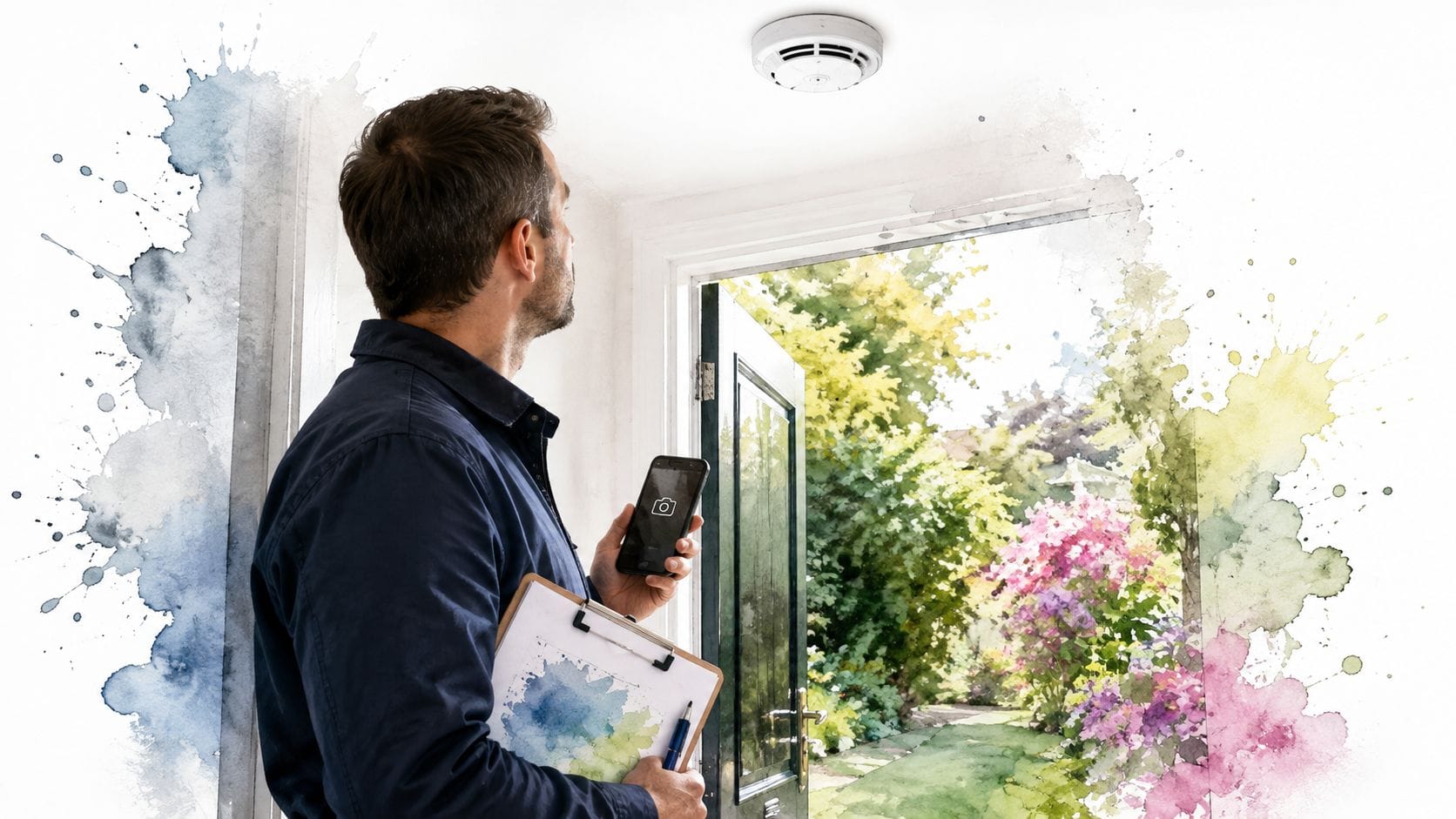
Start outside, then move in. Check rooflines, gutters, fencing, drainage, gardens, and visible weather damage first. Inside, inspect doors, locks, screens, seals, walls, blinds, odours, stains, and ventilation. In wet areas, focus on water staining, mould, leaking taps, cracked seals, and exhaust fans. Briefly test relevant kitchen appliances, extraction fans, and hot water performance where appropriate.
Use plain notes and photos that show issues in context. If the inspection uncovers a repair, compliance concern, or tenant request, route it through Gregory Property Agents property management so the owner can review it quickly. A 24/7 owner portal also keeps the photos, notes, and follow-up tasks in one place.
Direct notes are usually easiest to act on. A simple traffic-light system can help: red for urgent safety or code issues, amber for maintenance, green for acceptable condition. Notice to the tenant should also go through your normal recorded channels, including email and SMS.
Structured digital workflows are doing more of the heavy lifting here, and that matters if you are trying to keep records clean without adding admin. A property inspection technology review showed that digital inspection tools, workflow connection, and report automation are already common across the sector, with structured photo documentation also widely used (property inspection technology review).
4. Tenant Behaviour and Lease Compliance Checklist
Lease breaches often start small, noise complaints, unapproved pets, smoking, or extra occupants. The written record matters most when the issue needs formal follow-up.
Keep notes factual. Record what you can directly observe, such as a strong cigarette odour or unapproved pet items, instead of guessing at intent.
What to record and how to separate it
- Unauthorised occupants: Extra bedding, furniture, mail, vehicles, or repeated presence that does not match the approved tenancy.
- Pets: Bowls, fur, scratching, odour, or cleaning signs where pets are not allowed.
- Smoking or vaping: Odour, ash, burn marks, damaged fittings, or residue.
- Waste and garden neglect: Overflowing bins, dumped items, dead lawns, or unmanaged growth.
- Noise or conduct issues: Only include these when you have direct observations or verified complaint records.
Keep conduct notes separate from maintenance notes. A leaking tap belongs in maintenance. A burn mark or evidence of an unapproved pet belongs in compliance. Document each tenant conversation with the date, time, and response. A 24/7 owner portal helps keep complaints, photos, notes, and follow-up actions together.
5. Safety and Compliance Inspection Checklist
Safety inspections are about risk, liability, and clear proof of what was checked. In South-West Sydney, where rental stock ranges from older brick homes to newer duplexes and strata units, the checklist should match the property. Smoke alarms, RCDs, pool barriers, and gas appliances need proper checking, not a quick glance, as set out in the HUD Tenancy manual.
A compliance calendar and live record system make this easier to manage than paper alone. A 24/7 owner portal keeps the history in one place and helps show what was checked, what failed, and what was fixed. For properties exposed to flood risk or drainage issues, a local reference point such as the Cabramatta Creek flood study for Liverpool properties also helps frame why outdoor access, ground levels, and barrier checks matter before heavy weather arrives.
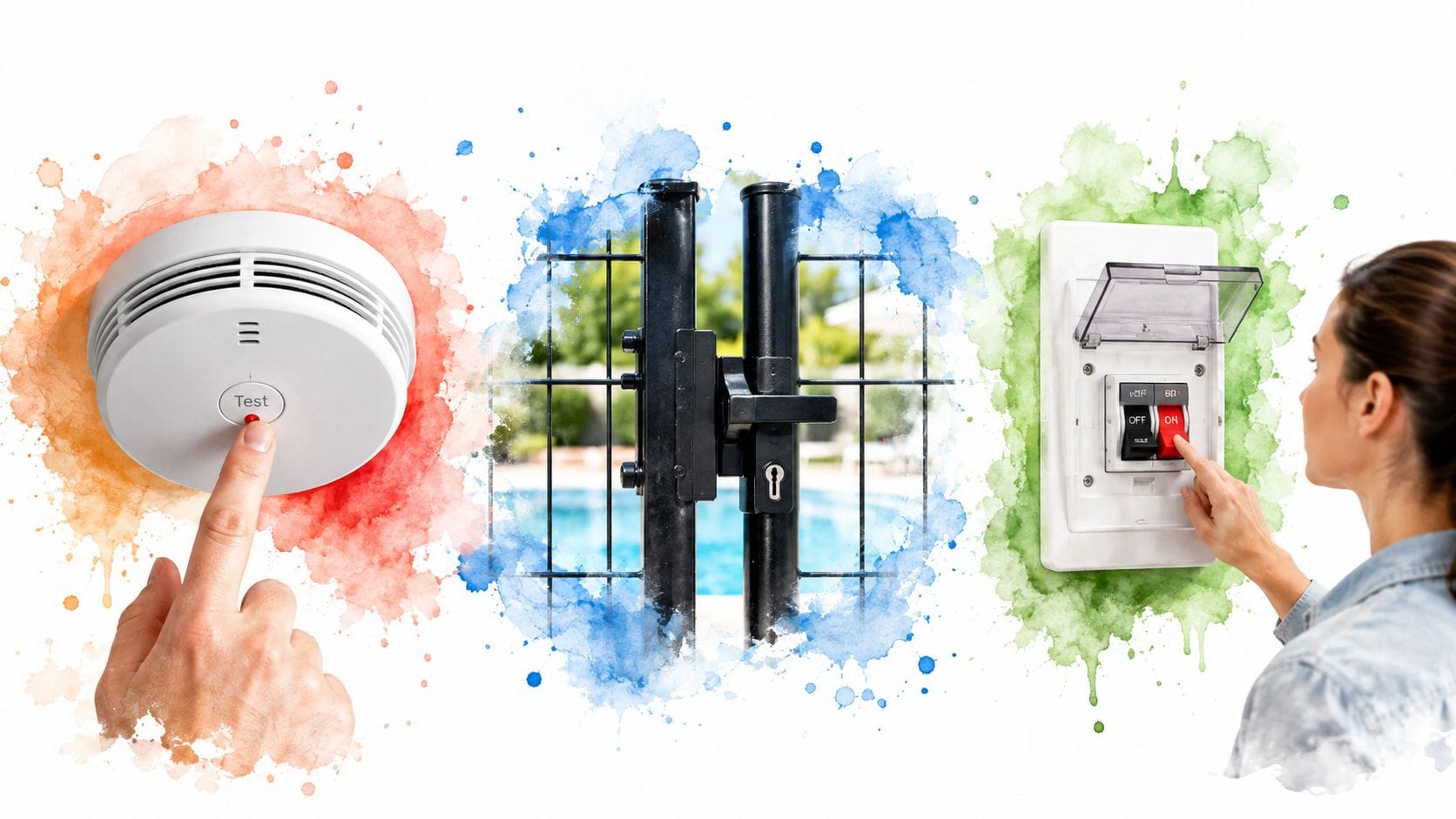
The items that deserve immediate attention
- Smoke alarms: Confirm installed, working, and positioned correctly.
- Electrical safety switches: Check and log testing where required.
- Gas appliances: Look for servicing records and obvious fault signs.
- Pool and spa barriers: Confirm gates, latches, and safe access conditions.
- Fire safety features: Check extinguishers, blankets, exits, and obvious blockages.
If a safety issue appears, separate it from routine maintenance. A loose hinge can wait. A failed smoke alarm, damaged pool gate, or exposed electrical issue should be treated as urgent and documented the same day. NSW Fair Trading guidance on rental entry and inspection limits also matters here because the checklist often becomes the dated record that shows when a safety item was checked.
6. Property Damage and Insurance Documentation Checklist
When damage happens, record first and clean up second. Whether it is a burst pipe, break-in, or storm event, early documentation can determine how strong the repair file or insurance claim becomes.
Start with photos and notes as soon as the issue is found. Use wide shots to show context, close-ups to show detail, and timestamps to anchor the timeline. If furniture has been moved or trades have already started work, record that too.
The Liverpool flood case study page at Gregory Property Agents is a useful reminder that water damage claims depend on disciplined documentation.
What to capture straight away
- Discovery time: When the damage was first seen and who noticed it.
- Scope of damage: Rooms, surfaces, fixtures, and fittings affected.
- Condition before impact: Prior inspection photos, if available.
- Insurance contact: Insurer name and reference number.
- Quote trail: Licensed quotes kept together in one file.
Water damage should be photographed again as the site dries because visible conditions can change quickly. Tenant-caused damage should be described using the lease terms and evidence, not emotion. A 24/7 owner portal also makes the file easier to manage by keeping photos, approvals, and timelines together.
7. End-of-Tenancy Final Inspection and Bond Return Checklist
The final inspection is where many bond disputes begin. The strongest approach is a clean comparison against the move-in baseline.
Start with the original condition report and compare room by room. Use wide shots and close-ups in similar lighting where possible. If the tenant is present, walk through the findings clearly. If not, keep the report factual and complete.
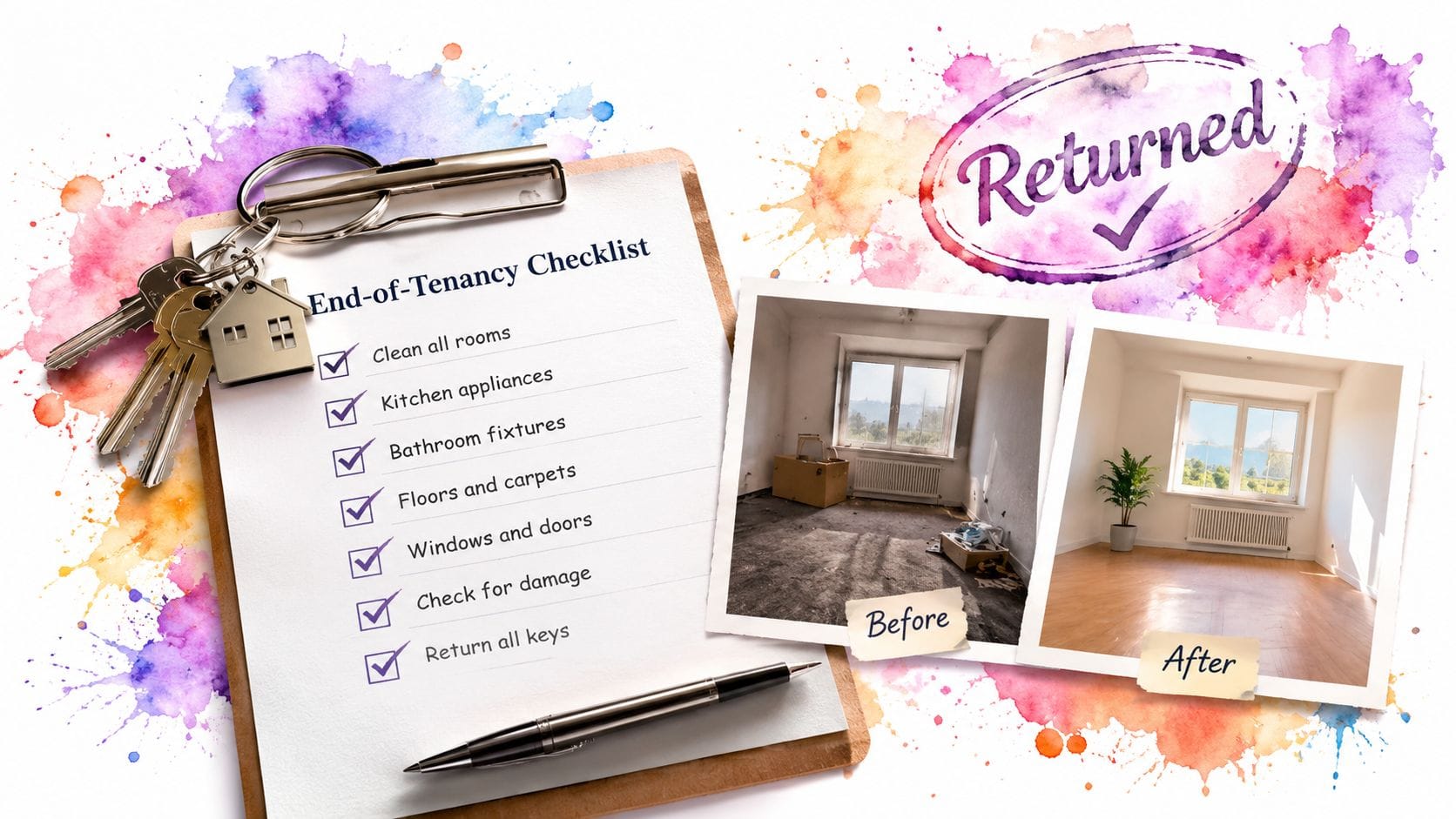
What to compare carefully
- Cleaning standard: Kitchens, bathrooms, windows, carpets, and hard surfaces.
- Damage versus wear: Stains, chips, broken fittings, and holes versus ordinary use.
- Missing items: Keys, remotes, blinds, screens, and fixtures.
- Professional cleaning needs: Quotes where carpet or specialist cleaning is disputed.
- Repairs and deductions: Itemised evidence for anything you intend to claim.
For bond deductions, keep the paperwork simple and specific. List the item, reason, quote or cost basis, and photo evidence. Once the inspection is complete, owners can move into re-leasing or appraisal. If the property is coming back to market, Gregory Property Agents' property appraisal service is one example of the next step.
8. Seasonal and Preventive Maintenance Checklist
Preventive maintenance reduces emergency repairs and protects the asset over time. In South-West Sydney, seasonal planning matters because roof wear, drainage issues, and weather exposure can escalate quickly.
Treat the year as a cycle. Spring suits roof checks, seal inspections, and air conditioning filters. Summer pushes pool servicing, cooling systems, and water usage checks. Autumn is for gutters, downpipes, and weather sealing. Winter is the time to check heating systems and fireplaces or chimneys.
Build the calendar around access and lead time
- Three months ahead: Book trades early for seasonal jobs.
- One visit, several tasks: Batch work to reduce tenant disruption.
- Receipts and photos: Keep proof of preventive work in the owner file.
- Budget discipline: Maintain a reserve for routine maintenance.
A rolling schedule improves both maintenance control and tenant cooperation. The right owner portal helps by keeping reminders, approvals, and booking requests in one place instead of across texts and emails.
8-Point Rental Inspection Comparison
| Checklist | Implementation complexity 🔄 | Resource requirements ⚡ | Expected outcomes ⭐📊 | Ideal use cases 💡 | Key advantages ⭐ |
|---|---|---|---|---|---|
| Move-In / Move-Out Inspection Checklist | High, full room-by-room assessment, signatures and timestamps required | Moderate-High, trained inspector, quality photos, secure storage, digital signing tools | Clear legal baseline; strong evidence for bond disputes and insurance claims | Lease commencement/termination, bond dispute preparation | Highly defensible documentation; reduces deposit disputes |
| Quarterly Routine Inspection Checklist | Medium, regular, focused checks on changes and compliance | Low-Moderate, inspector time (30-45 min), photos, scheduling system | Early detection of issues; ongoing compliance monitoring | Ongoing tenancy oversight; preventive maintenance spotting | Cost-effective monitoring; supports predictive maintenance |
| Maintenance & Repair Approval Checklist | Medium-High, workflow design for approvals and escalation | Moderate, workflow platform, contractor network, quote tracking | Faster, documented repairs; fewer emergency call-outs; cost control | Tenant maintenance requests, urgent/priority repairs | Reduces approval bottlenecks; provides audit trail for costs |
| Tenant Behavior & Lease Compliance Checklist | Medium, observational with need for objective evidence | Low, inspector time, photo documentation, consistent templates | Documented evidence for breaches; deterrence of lease violations | Responding to complaints; enforcing lease terms | Supports fair enforcement; protects other tenants' rights |
| Safety & Compliance Inspection Checklist | High, statutory checks, licensed testing and strict timelines | High, specialists (electrician, pool inspector), certification, testing tools | Legal compliance; reduced liability and insurance readiness | Statutory safety testing (smoke alarms, pools, RCDs), audit preparation | Ensures obligations met; prevents safety incidents and fines |
| Property Damage & Insurance Documentation Checklist | Medium, rapid-response evidence capture and timeline tracking | Moderate, high-quality photos, insurer contact, contractor quotes | Strong insurance claims; faster payouts; preserved causation evidence | Post-incident (storm, flood, break-in, fire) | Maximizes claim success; documents mitigation and timelines |
| End-of-Tenancy Final Inspection & Bond Return Checklist | High, comprehensive comparison to move-in baseline, itemised deductions | High, extensive photos, repair quotes, legal/tribunal knowledge, time | Defensible bond decisions; reduced tribunal risk; clear closure | Lease termination, bond settlement and dispute resolution | Detailed deduction justification; minimizes legal exposure |
| Seasonal & Preventive Maintenance Checklist | Medium, calendar-based planning and repeatable tasks | Moderate, contractor bookings, budget forecasting, tenant coordination | Fewer emergencies; extended asset life; predictable costs | Annual planning, investor portfolios, older properties | Prevents costly repairs; improves tenant retention and value |
Your Partner in Proactive Property Management
A strong rental inspection checklist protects the asset, supports compliance, and creates a clear record of what changed and when. In NSW, that matters because inspection timing, condition reporting, and evidence all sit at the centre of good tenancy management (NSW rental inspection ordinance summary).
For South-West Sydney landlords, the real difference is not whether a checklist exists. It is whether the system is actually used. Paper forms get misplaced, old photos get buried, and repair decisions stall when owners are not kept in the loop. A modern inspection process, with photo documentation, a clear approval trail, and a 24/7 owner portal, makes the record easier to maintain and easier to trust.
That's the approach we use at Gregory Property Agents. BJ Gregory is directly involved, the agency works with a 24/7 owner portal, and the focus stays on direct accountability, compliance documentation, and clear communication with landlords across Liverpool, Fairfield, Green Valley, Hinchinbrook, Cabramatta, Warwick Farm, Casula, and Mount Pritchard. If you want your inspections handled with that level of structure, this is the standard to look for.
If you want a property manager who treats inspections as a compliance tool, not a formality, talk to Gregory Property Agents. We handle routine inspections, maintenance coordination, and owner reporting with direct agent involvement and a 24/7 portal built for transparency. Visit Gregory Property Agents to arrange a confidential discussion about your property.