
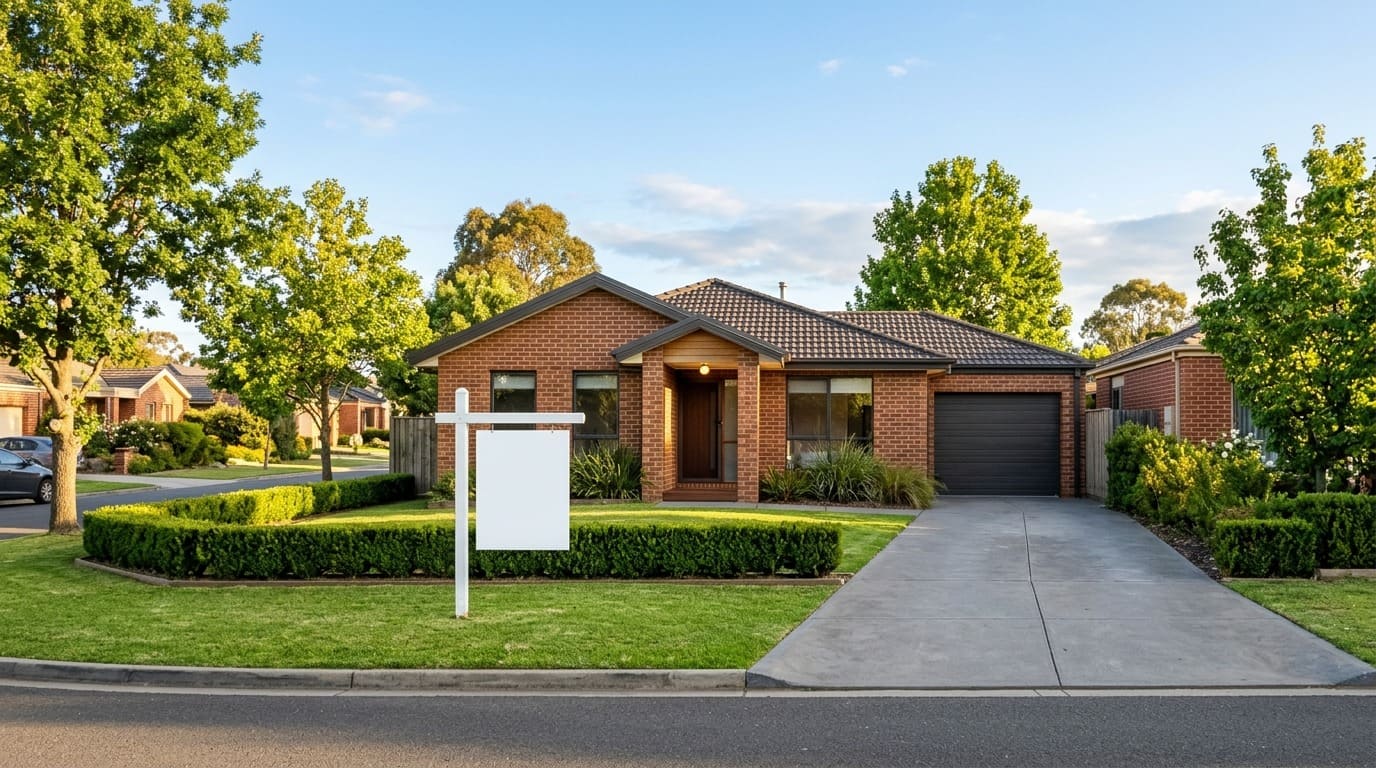
Selling a house in Liverpool NSW comes down to six steps: get a realistic appraisal, choose a local agent you trust, prepare your home, pick a sale method, market it well and manage the contract through to settlement. Liverpool (2170) is one of South-West Sydney’s main centres, so well-presented, fairly priced homes tend to attract steady buyer interest.
This guide to selling a house in Liverpool NSW walks first-time sellers, downsizers, investors and upgrading families through each stage.
It draws on the local experience of BJ Gregory, a licensed real estate agent who has worked across Liverpool and South-West Sydney for more than 20 years.
Why Liverpool Is a Strong Place to Sell
Liverpool is a regional city in its own right, with a busy CBD, the Liverpool City Council offices, shopping, dining and a growing mix of apartments.
Several things keep buyers interested:
- Jobs and health care: Liverpool Hospital is one of Sydney’s major hospitals and a large local employer.
- Transport: Liverpool station is on the Sydney Trains network, and the M5 Motorway, M7 Motorway and Hume Highway are all close by.
- Western Sydney International Airport: The new airport at Badgerys Creek and the Western Sydney Aerotropolis are bringing long-term investment to the region.
- Education: Western Sydney University and TAFE NSW both have campuses in Liverpool.
For anyone selling a house in Liverpool NSW, this mix of jobs, transport and future growth means a broad pool of buyers: young families, first-home buyers, upgraders and investors. Demand still moves with interest rates, so price for current conditions.
Step 1: Get an Accurate Property Appraisal
Price is the biggest factor when selling a house in Liverpool NSW. Set it too high and buyers scroll past; too low and you leave money on the table.
A good appraisal uses recent comparable sales nearby, not online estimates alone. These factors usually affect value most:
- Location: Distance to the station, schools and shops, and how quiet the street is.
- Land size: Larger blocks often appeal to families and buyers looking at future potential.
- House or unit: Houses, townhouses and units each attract different buyers.
- Condition and layout: Updated kitchens and bathrooms, parking and outdoor space all matter.
Ask to see the comparable sales behind any figure. In NSW, an agent must include their estimated selling price in the written agency agreement, so you can check it against the evidence. A free property appraisal from a local agent is a smart first step before selling a house in Liverpool NSW.
Step 2: Choose the Right Real Estate Agent
Your agent handles pricing, marketing, negotiation and much of the paperwork, so this choice shapes your whole experience of selling a house in Liverpool NSW.
Look for someone who knows Liverpool’s streets, gives you an honest price rather than the highest one, and keeps you updated. Before you sign, ask each agent:
- Which recent sales support your price estimate?
- How will you market my home, and what will that cost?
- What is your commission, and what does it include?
- What is the plan if we don’t reach our price?
Interview two or three agents and compare their answers. Our guide on how to compare real estate agents in Liverpool covers this in more detail, or you can read about working with a real estate agent in Liverpool.
Step 3: Prepare Your Home for Sale
Most buyers see your photos before they walk through the door, so presentation plays a big part in selling a house in Liverpool NSW for a strong price.
- Declutter and deep clean: Clear benches and clean windows, grout and carpets.
- Fix the small things: Leaking taps, loose handles, cracked tiles, tired paint and blown light globes.
- Lift the street appeal: Mow the lawn, trim hedges and clean the front door and driveway.
- Style key rooms: Fresh linen, plants and good lighting help buyers picture living there.
- Use professional photos: Well-lit shots help your listing stand out online.
You don’t need a full renovation before selling a house in Liverpool NSW. Spend on fixes buyers will notice.
Step 4: Choose How to Sell: Private Treaty, Auction or Off-Market
There are three common ways of selling a house in Liverpool NSW. The right one depends on your property, your timeline and how much certainty you want.
Private treaty
Your home is listed with a price guide, and buyers make offers. It’s flexible, lower pressure and suits most homes and units. The downside is that it can take longer, and buyers may negotiate hard.
Auction
Buyers bid publicly on a set date. An auction creates a deadline and competition, and the sale is unconditional on the day with no cooling-off period. On the other hand, marketing costs are paid upfront, and the home may pass in if bidding doesn’t reach your reserve.
Off-market
Your home is shown quietly to qualified buyers without public advertising. You get privacy, but fewer buyers can mean less competition. Learn more about selling off-market and when it makes sense.
Step 5: Marketing, Inspections and Offers
When selling a house in Liverpool NSW, your agent will usually advertise it on the major property portals, social media and their own buyer database.
Inspections usually start within the first week or two. Keep the home ready at short notice, and step out during inspections so buyers can talk openly.
Look beyond the price. Consider the deposit, the settlement date, and whether the offer depends on finance or a building and pest inspection. Your agent should pass on every offer and negotiate the strongest overall result.
Step 6: Contract, Exchange and Settlement
If you’re selling a house in Liverpool NSW, the contract for sale must be prepared before your property is marketed. Your conveyancer or solicitor puts it together, including the title search, zoning certificate and drainage diagram, so engage one early.
When you accept an offer, contracts are exchanged and the buyer pays a deposit. This is often 10% of the price, although a smaller deposit can be negotiated.
For private treaty sales, residential buyers in NSW usually have a five-business-day cooling-off period. A buyer who withdraws during this time forfeits 0.25% of the price. Buyers can waive cooling-off with a certificate from their solicitor or conveyancer, and there is no cooling-off at auction. NSW Fair Trading explains the contract and deposit rules in more detail.
Settlement in NSW commonly happens around six weeks after exchange, though this can be negotiated. On the day, the balance is paid, your loan is discharged and the keys are handed over. That’s the final step in selling a house in Liverpool NSW.
Selling a Unit in Liverpool
Liverpool has plenty of units, especially around the CBD and station. Selling one follows the same steps as selling a house in Liverpool NSW, with a few extras.
Your contract must include strata documents such as the strata plan and by-laws and your conveyancer will confirm the rest. Many buyers also order a strata report covering levies, the capital works fund and planned building works.
Unit buyers often focus on parking, natural light, strata levies and distance to the station. Have your owners corporation (often called the body corporate) details ready so you can answer questions quickly.
Costs of Selling a House in Liverpool NSW
The costs of selling a house in Liverpool NSW vary from home to home, but most sellers will pay for the following:
- Agent commission: In Sydney, commission is usually a percentage of the final sale price and varies by agent and property. Ask for a written breakdown before you sign.
- Marketing: Photos, floor plans, listings and signboards are often paid separately.
- Conveyancing or legal fees: For preparing the contract and handling settlement.
- Loan discharge fees: If you have a mortgage, your lender may charge a fee to close it.
- Capital gains tax: Your main home is generally covered by the main residence exemption, but investment properties may attract capital gains tax. Speak to your accountant before you sell.
- ATO clearance certificate: Australian resident sellers need a clearance certificate from the ATO, or the buyer must withhold part of the price. It’s free, so apply early.
Council rates, water rates and strata levies are adjusted at settlement, so you only pay up to the day the property changes hands.
Common Mistakes Liverpool Sellers Make
Most problems when selling a house in Liverpool NSW come from avoidable mistakes like these:
- Overpricing: A price well above recent sales can leave your home sitting on the market.
- Choosing an agent on the lowest fee alone: A cheaper commission means little if the agent negotiates a weaker price.
- Skipping presentation: Clutter and an overgrown yard can lower offers.
- Leaving the contract too late: In NSW, you can’t start marketing until the contract is ready.
- Ignoring conditions: The highest offer isn’t always the best if its terms don’t suit you.
Ready to Sell?
Selling a house in Liverpool NSW goes more smoothly with the right price, a clear plan and an agent who knows the area. Even if you’re months away from listing, an early chat helps you decide what to fix and when to sell.
Book a free property appraisal with BJ Gregory for an honest, no-obligation look at what your home could sell for in today’s market.
Frequently Asked Questions
How long does selling a house in Liverpool NSW take?
There’s no fixed timeline, but many sales take a few months from appraisal to settlement. Preparing the home and contract can take a few weeks, marketing often runs for several weeks, and settlement is commonly about six weeks after exchange. Timing depends on your price, the home’s condition, the market and your sale method.
What are the costs of selling a house in Liverpool NSW?
The main costs are agent commission, marketing, conveyancing and any loan discharge fees. Commission is usually a percentage of the sale price and varies by agent, so ask for a written breakdown. If you’re selling an investment property, capital gains tax may also apply, so speak to an accountant first.
Do I need a contract before listing my home in NSW?
Yes. In NSW, a contract for sale must be prepared before your property is marketed. A conveyancer or solicitor prepares it, including the title search, zoning certificate and drainage diagram. Engaging one early avoids delays and lets your agent start marketing as soon as your home is ready.
Is it better to sell by auction or private treaty in Liverpool?
It depends on your home and goals. Auctions suit properties likely to attract strong competition and give a clear sale date with no cooling-off period. Private treaty suits most homes and units, offering more flexibility and less pressure. A local agent can recommend the best method for selling a house in Liverpool NSW.
When is the best time to sell a house in Liverpool?
Spring is traditionally popular because gardens look their best and more buyers are active, but well-priced homes sell all year round. The right time often depends on your own plans, such as buying your next home or moving around school terms. Interest rates and local supply also play a part.
Should I renovate before selling a house in Liverpool NSW?
Usually not a full renovation. Small improvements like fresh paint, minor repairs, a deep clean and a tidy garden often give a better return than major works. Big renovations take time and money you may not recover in the sale price. Ask your agent which updates local buyers value most.