
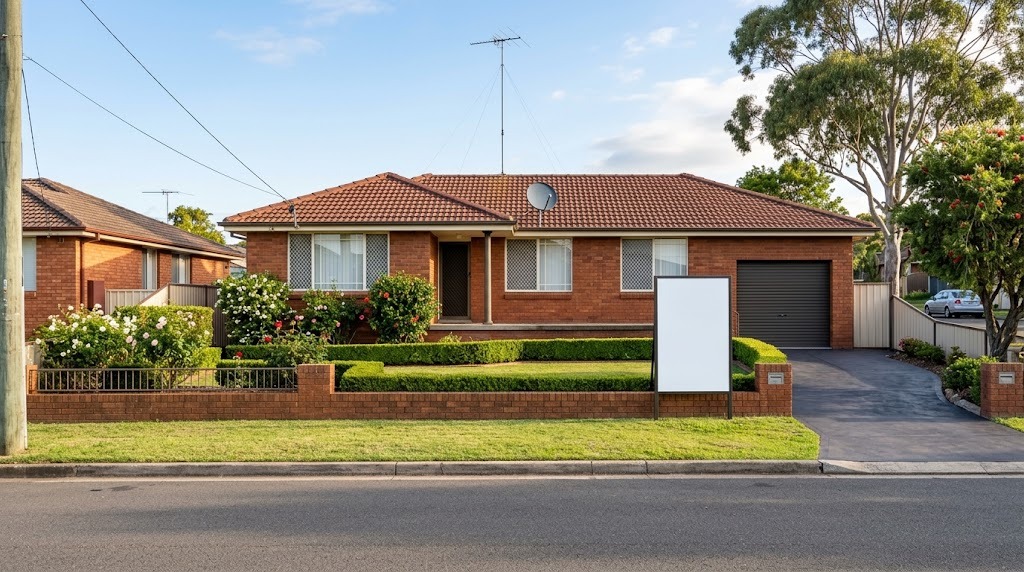
Should you sell your house in a falling market? It can still work well, as long as you price realistically, present the home at its best and choose a sale method that suits the conditions. Selling a house in a falling market usually means buyers have more choice and more time, but well-prepared, well-priced homes continue to sell.
If you own a home in Liverpool, Fairfield or the 2168 suburbs such as Green Valley, Hinchinbrook, Busby and Miller, you may have noticed more “For Sale” signs and fewer stories about record results. This guide explains what a softer market really means for you, and how to make a calm, well-informed decision about whether and how to sell.
What a Falling Market Really Means for Sellers
A falling or “soft” market simply means demand has cooled compared with supply. Prices may ease, but that’s only part of the picture. The bigger change is usually in how buyers behave.
In a softer market you’ll typically see:
- More listings to choose from. Buyers can compare several similar homes before making an offer.
- Longer days on market. Homes often take more weeks to sell than they did in a busier period.
- More careful buyers. People take their time, negotiate harder and pay close attention to building and pest reports.
- Fewer competing bidders. Auctions may draw smaller crowds, and multiple-offer situations become less common.
None of this means homes stop selling. People still move for jobs, schools, family or downsizing. For current figures, Cotality (formerly CoreLogic) and PropTrack publish regular, dated reports on Sydney home values.
Should You Sell Now or Wait?
There’s no single right answer to “should I sell now or wait?” It depends on your plans, your finances and how long you can comfortably hold. Here’s a balanced way to think about it.
Reasons to sell now
- Your circumstances have changed, for example a new job, a separation, a growing family or a move closer to relatives.
- Holding costs such as repayments, rates and maintenance are putting pressure on your budget.
- You’re planning to buy as well, so any softness affects both sides of your move.
- You want certainty and would rather plan around a known result than wait on an unknown future.
Reasons to wait
- You don’t need to move and can comfortably keep holding the property.
- Your home needs work that could be done over the coming months to improve its appeal.
- You simply aren’t ready yet, and a rushed sale would add stress.
The key point many owners miss: if you’re selling and buying, you’re usually doing both in the same market. If the price of your home has eased, the home you want to buy may have eased too. The gap between the two often matters more than the headline price. Before deciding, it’s wise to speak with a mortgage broker or financial adviser about your personal situation.
Pricing Your Home Right When Prices Are Dipping
Pricing is the single most important decision when selling in a soft market. Buyers are well informed and quickly notice when a home is priced above similar properties nearby.
To set a realistic price:
- Look at recent comparable sales, not old peaks or current asking prices. A sale from a few months ago may already be out of date.
- Compare like with like. Land size, number of bedrooms, condition, street appeal and parking all make a difference.
- Be honest about your home’s weaknesses. A busy road or a dated kitchen will be noticed, so allow for it.
Overpricing is the most common trap. A home listed too high tends to attract fewer inspections, then sits on the market. Buyers start to wonder what’s wrong with it, and the final price can end up lower than if it had been priced well from day one. A fresh, realistic listing usually creates more interest than a stale one with a string of price drops.
How to Stand Out When Buyers Have More Choice
When buyers can compare several homes in one weekend, first impressions count. The good news is that many improvements are affordable and quick.
Fix the small things
Leaking taps, sticking doors, cracked tiles and tired paint all signal “more work” to a buyer. Sorting these out before you list can help your home feel cared for and reduce reasons to negotiate.
Present it well
Declutter, deep clean and let in as much natural light as possible. Tidy the front garden and lawn, because many buyers decide whether to inspect based on the street view alone. Simple styling helps buyers picture themselves living there.
Invest in quality photos
Most buyers start their search online, so professional photos and a clear floor plan are worth considering. Listings with bright, well-composed images tend to stand out among similar homes.
Make inspections easy
Offer flexible inspection times, including some evenings or weekends, so working families and shift workers can attend.
Choosing the Right Sale Method
The way you sell matters more when the market is softer. Each method has strengths and trade-offs.
Auction
Auctions can create urgency and a clear deadline. However, in a softer market crowds may be smaller, and if bidding stalls the home may pass in.
Private treaty
Selling by private treaty means listing with a price guide and negotiating with buyers over time. It gives cautious buyers time to arrange finance and inspections, which often suits a slower market. The trade-off is less urgency, so realistic pricing is essential.
Off-market
An off-market sale means your home is shown privately to known buyers without public advertising. It can suit owners who value privacy or want to test the price quietly. The downside is reduced exposure, which may mean fewer competing buyers. You can learn more in our guide to selling off-market.
For a broader overview of your options, see our guide to selling your home in Liverpool.
Timing Your Sale in South-West Sydney
Traditionally, spring and autumn are busy selling seasons in Sydney. Gardens look their best, the weather suits inspections and more buyers tend to be actively looking. The Christmas and summer holiday period is often quieter.
Local factors in the South-West Sydney property market can matter just as much as the calendar. Think about school terms if you’re likely to attract families, nearby infrastructure works and how many similar homes are listed in your street or suburb at the same time. Rather than trying to predict the market, focus on when your home and your plans are ready. Our article on the best time to sell a house in Liverpool covers seasonal timing in more detail.
Selling and Buying at the Same Time
If you’re upgrading, downsizing or relocating, a softer market has a quiet upside: you may have more choice, less competition and more room to negotiate on your next home. That can help balance out a lower sale price.
The challenge is coordinating the two. Some owners prefer to sell first so they know exactly what they can spend. Others buy first and arrange bridging finance, which carries extra cost and risk. Negotiating a longer settlement or a rent-back arrangement can help bridge the gap. Our guide to selling before buying walks through the options. Talk to a mortgage broker and a conveyancer or solicitor before committing to either path.
Mistakes to Avoid When Selling a House in a Falling Market
Selling in a downturn rewards patience and planning. These are the mistakes that tend to cost owners the most:
- Chasing the market down. Starting too high and dropping the price in small steps can leave your home looking stale and losing momentum.
- Skipping presentation. In a buyers’ market, an untidy or poorly photographed home is easy to scroll past.
- Choosing an agent on the highest quote alone. An inflated appraisal may win the listing but rarely wins the buyer. Ask how the agent arrived at their figure and which recent sales support it.
- Ignoring feedback. If inspections are low or buyers raise the same concern, it’s a signal to adjust, not to wait it out.
How a Local Agent Can Help
In a softer market, local knowledge matters. An agent who works in your area day to day understands which streets buyers prefer, how homes like yours compare and what buyers are currently looking for.
A good local agent should give you honest, evidence-based pricing advice, even when it isn’t what you hoped to hear. They should explain the pros and cons of each sale method for your property, help you prioritise which preparations are worth doing, and connect your home with active buyers already searching in the area. They should also keep you informed with clear, regular feedback.
Frequently Asked Questions
Is it a bad idea to sell a house in a falling market?
Not necessarily. Many homes still sell when prices ease, especially when they’re priced realistically and presented well. If you’re also buying, you’ll usually buy in the same softer conditions, which can balance things out. The right choice depends on your plans and finances, so get personal advice before deciding.
How do I price my home when prices are dropping?
Base your price on recent comparable sales in your suburb, not past peaks or other owners’ asking prices. Compare homes with similar land size, bedrooms and condition. Pricing realistically from the start usually attracts more buyers than starting high and reducing the price later.
How long does it take to sell in a soft market?
Homes generally take longer to sell when buyers have more choice, but there’s no fixed timeframe. Price, presentation, location and sale method all play a part. A well-priced, well-presented home in a sought-after street can still sell relatively quickly, even when conditions are slower.
Is auction or private treaty better in a falling market?
Both can work. Private treaty often suits slower markets because it gives cautious buyers time to arrange finance and inspections. Auctions create urgency but depend on having several motivated bidders. The best method depends on your home, your suburb and current buyer interest, so discuss options with a local agent.
Should I renovate before selling in a downturn?
Major renovations rarely pay off before a sale, particularly when prices are easing. Small, low-cost improvements usually make more sense: fixing minor defects, painting, cleaning, tidying the garden and simple styling. These help buyers see the home as well cared for without a large upfront spend.
Can I sell my house and buy another at the same time?
Yes. Many owners sell first for certainty, while others buy first with bridging finance. A longer settlement or rent-back arrangement can also help. Because each option has different costs and risks, speak with a mortgage broker and a conveyancer or solicitor before committing.
Final Thoughts
Selling a house in a falling market isn’t about waiting for perfect conditions. It’s about making clear, informed choices: realistic pricing, careful presentation, the right sale method and sensible timing for your circumstances. With the right approach, homes across Liverpool, Fairfield and the 2168 suburbs continue to sell, even when the headlines are cautious.
If you’re weighing up your options, a free property appraisal is a simple, no-obligation first step. You’ll get an honest view of where your home sits in today’s market, so you can decide what’s right for you, whether that’s selling now or waiting.