
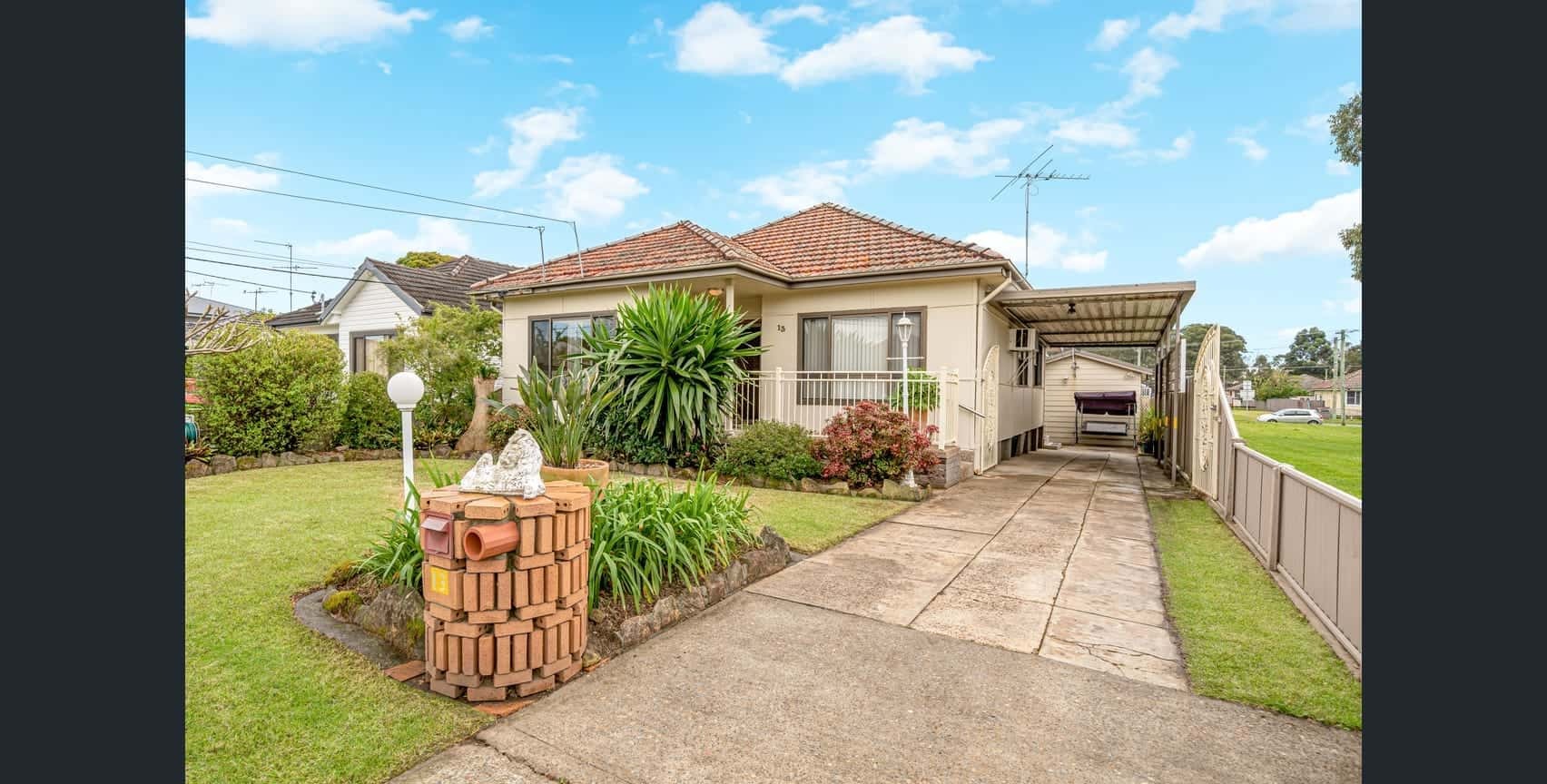
If you own a home in Ashcroft, you have probably noticed the market has shifted. House prices in this part of South-West Sydney have jumped around 16.1% over the past year. Buyers move fast when a well-priced home hits the market right now. This Ashcroft property market update 2026 breaks down what is driving the growth, how Ashcroft compares with Liverpool, Green Valley, and Fairfield, and what it means if you are weighing up a sale. You will get real numbers here, not guesswork, plus practical next steps from BJ Gregory, a local agent who works these streets every day. Let’s start with the current snapshot.
Ashcroft Property Market Update 2026: The Numbers at a Glance
Local data from Domain, CoreLogic, and Allhomes all point the same way for Ashcroft’s 2026 property market. House prices have climbed between roughly 14.5% and 16.1% over the past year, depending on the source. The median price, meaning the middle sale price across recent sales, now sits somewhere between $1.0 million and $1.1 million. That is a big shift for a suburb many buyers once passed over in favour of pricier areas closer to the city. Even compared with other pockets of the Liverpool area, Ashcroft’s growth rate this year is hard to ignore.
Here is the snapshot in plain numbers:
- Median house price: roughly $1.0 million to $1.1 million, depending on the source and month.
- 12-month growth: up to 16.1%, among the strongest results in South-West Sydney.
- Auction clearance rate: around 80%, meaning the share of auctioned homes that actually sell, well above the wider Sydney average.
- Average time on market: about two to three weeks from listing to sale.
- Rental yield: close to 3%, meaning the yearly rent equals about 3% of the property’s value, still solid for long-term investors.
These numbers shift a little from month to month. Always check the latest figures before you use them to set a price.
How Ashcroft Compares With Liverpool, Green Valley, and Fairfield
Ashcroft does not sit on its own. It forms part of the wider Liverpool area, alongside Liverpool, Green Valley, and Fairfield, and prices across this whole pocket tend to move together. Liverpool’s median house price sits closer to $1.3 million, with growth of around 16% over the same year. Green Valley and Fairfield have followed a similar path, though each suburb has its own rhythm around stock levels and buyer demand. Homes close to schools, parks, and transport links in Ashcroft tend to sell fastest right now, much like similar streets in Liverpool and Green Valley. That pattern offers a useful clue about which features to highlight in your own listing.
This wider picture matters for sellers. Buyers comparing Ashcroft with Liverpool, Green Valley, or Fairfield often base their offers on what similar homes achieved nearby. So, understanding that context helps you set fair expectations before your first open home.
Why Are Ashcroft Property Prices Up 16.1%?
A jump this size does not happen by accident. Several forces are pushing Ashcroft’s market higher at once, and none of them look set to ease soon.
- Limited stock: fewer homes are on the market, so each new listing attracts more buyer competition.
- Lower prices than inner Sydney: Ashcroft still costs far less than suburbs closer to the city, which draws in buyers priced out elsewhere.
- New roads and the airport project: the Western Sydney Airport and nearby road upgrades are lifting confidence across the whole area.
- Strong family demand: established homes on bigger blocks suit families planning to live in the home themselves, who make up most of Ashcroft’s buyers.
Together, these forces push Ashcroft ahead of the broader Sydney trend. Wider Sydney growth stayed flat over the same period, and some forecasts even point to a small citywide dip through 2026. Meanwhile, the national auction clearance rate sits closer to 47%, nowhere near Ashcroft’s figure above 80%. That gap matters. It shows local demand here is not simply riding a city-wide wave. It is a real, local story.
“What we’re seeing on the ground backs up the data,” says BJ Gregory. “Buyers who have been priced out of Liverpool, or closer to the city, are now looking seriously at Ashcroft. They don’t hesitate once a home is priced well.”
What Rising Prices Mean If You Are Thinking of Selling
A hot market sounds like good news for sellers, and it usually is. Even so, a rising market rewards preparation more than luck. Here is what actually moves the needle.
Know Your Buyer
Most buyers active in Ashcroft right now are young families and first-home buyers moving up from units or townhouses. Many have already been outbid once or twice in nearby suburbs, so they arrive ready to act when a home suits them. A smaller group of investors rounds out the market, drawn by steady rental demand and solid long-term growth. Knowing who is likely to walk through your door helps you plan presentation, price, and even your open home times around what actually works for them.
Pricing Still Beats Timing
Homes priced right from day one sell faster. They often sell for more too, compared with properties that start high and get discounted later. Overpricing might feel like a safe bet, but buyers in a market this open can spot an inflated asking price within days. A fair price, backed by similar recent sales, tends to spark stronger competition at open homes. That competition usually shows up in the final result, whether you sell by negotiation or at auction. Ask BJ Gregory for a short list of genuinely comparable sales, since automated online estimates often miss small details that shift a price by tens of thousands of dollars.
Presentation Pays Off
Small improvements can shift buyer perception more than you might expect. Fresh paint, a tidy garden, and decluttered rooms all help buyers picture themselves living there. You do not need a full renovation before you list. Small, low-cost fixes usually pay off more than an expensive makeover, so spend your budget where buyers will actually notice it.
Auction or Private Treaty?
Both methods work well under Ashcroft’s current conditions. Auctions suit homes likely to draw several interested buyers, since competitive bidding can push the final price higher than expected. Private treaty, meaning a normal sale by negotiation rather than auction, gives buyers more time to arrange finance. That can suit certain properties or tighter timelines better. BJ Gregory explains how each method works for Ashcroft and Liverpool properties, and can help you decide which path fits your situation.
Why Local Knowledge Matters in a Market Like This
Suburb-wide numbers only tell part of the story. Street-by-street knowledge, buyer feedback from recent inspections, and a clear read on what is selling right now all shape a fair price range. For example, two homes on the same street can sell for very different prices depending on their outlook, condition, or block size. A generic suburb report cannot see that detail, but a local agent walking the street every week can. That is the kind of insight BJ Gregory brings after more than 20 years working across Liverpool, Green Valley, and Fairfield.
What Could Happen Next in Ashcroft’s Market
So, where does Ashcroft’s market go from here? Most forecasters expect growth to slow a little in the second half of 2026, simply because prices cannot keep climbing at 16% forever. Even so, the reasons behind this run, tight stock, steady family demand, and ongoing spending on roads and the airport, look set to stay in place for some time yet.
Interest rates remain the biggest wildcard. The Reserve Bank has already moved rates higher this year, which trims how much some buyers can borrow. That said, demand in Ashcroft has stayed firm even as rates rose, which suggests the local market has real strength behind it rather than short-term hype. Keep an eye on rate announcements and on how many new listings come onto the market over the next few months, since both will shape how long this run lasts.
For sellers, this points to a simple takeaway: conditions still favour you right now, but markets do shift over time. If you have been thinking about selling, it may be worth acting while demand remains this strong instead of waiting to see what happens next. Waiting for a slightly higher peak can also mean waiting through more buyer competition for your next purchase, so weigh both sides before you decide.
Is Ashcroft a Good Suburb for Investors?
Ashcroft is not just attracting owner-occupiers. Rental yield close to 3%, combined with steady tenant demand from local families and commuters, makes the suburb a reasonable option if you are chasing long-term capital growth rather than a high weekly return. Capital growth simply means how much the property’s value rises over time, and Ashcroft’s recent numbers make a strong case on that front. Vacancy rates in the area also stay low for most of the year, meaning fewer empty weeks between tenants and steadier rental income even when the wider market cools down.
If you already own a rental property here, or you are thinking about buying one, good property management keeps things running smoothly and protects your return. It also saves you the time and stress of handling repairs, rent, and tenants yourself.
Thinking of Selling in Ashcroft, Liverpool, or Green Valley?
Ashcroft’s property market has genuinely shifted, and a 16.1% price rise is a headline worth paying attention to if you own a home here. Limited stock, lower prices than inner Sydney, and steady spending on roads and the airport are all keeping demand strong across Ashcroft, Liverpool, Green Valley, and Fairfield alike.
If you are weighing up a sale, get the numbers right before you list. A free, no-obligation appraisal from BJ Gregory gives you a fair price range based on current local sales, not guesswork. It takes about half an hour, and there is no pressure to sign up on the spot.
This Ashcroft property market update 2026 points to one clear message: the local market rewards sellers who prepare well and price correctly. Book your free appraisal with BJ Gregory today, and find out what your Ashcroft home could be worth in this market.
Frequently Asked Questions
Why are house prices rising in Ashcroft in 2026?
Limited stock, strong owner-occupier demand, and lower prices than the rest of Sydney are the main drivers. Nearby projects, including the Western Sydney Airport, are also lifting buyer confidence across the whole area.
What is the median house price in Ashcroft NSW?
Most current data places the median house price somewhere between $1.0 million and $1.1 million, though the exact figure shifts a little depending on the source and the month.
Is now a good time to sell a house in Ashcroft?
For well-presented, fairly priced homes, current conditions favour sellers. Strong buyer demand, a high auction clearance rate, and short average selling times all point in that direction. That said, your own situation matters just as much as market timing, so it is worth talking it through with BJ Gregory before you decide.
Should I renovate before I sell in Ashcroft?
Full renovations rarely pay for themselves before a sale. Instead, focus on cheap, high-impact jobs such as fresh paint, garden tidy-ups, and minor repairs. BJ Gregory can walk through your property and point out exactly which jobs are worth the money before you list, based on what buyers in Ashcroft have actually responded to in recent sales.
What suburbs near Ashcroft are also seeing strong growth?
Liverpool, Green Valley, and Fairfield have all recorded solid growth over the same period, since demand across this wider pocket of South-West Sydney tends to move together.
What is the best time of year to sell in South-West Sydney?
Spring and early autumn usually bring more buyers to open homes. Even so, a well-priced property can still perform strongly at other times of year, especially in a market as active as Ashcroft’s right now.